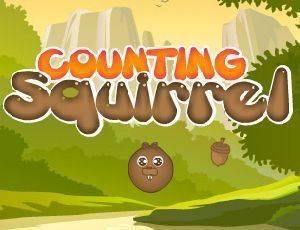
Counting Squirrel Puzzle Game
About
Counting Squirrel Puzzle Game offers a safe, engaging way for kids to practice counting and basic math. The colorful visuals and cheerful rewards keep children motivated, while the gentle guidance helps them learn at their own pace. It is a wonderful educational tool that parents can trust.
Game Introduction
Counting Squirrel is an educational puzzle game designed for young learners. In a colorful world, friendly squirrels gather acorns, and children help count them. Each level presents a new set of acorns to count, reinforcing number recognition and basic arithmetic. The game features bright visuals, cheerful sounds, and positive feedback to encourage learning. Perfect for preschoolers and early elementary kids, Counting Squirrel makes math fun and accessible, building confidence with every correct answer.
How to Play
To play Counting Squirrel, simply look at the group of acorns displayed on the screen. Count how many acorns you see, then tap the correct number from the options below. Each correct answer earns a cheerful reward from the squirrel, like a happy dance or a shiny star. If you make a mistake, the game gently guides you to try again. Levels gradually increase in difficulty, introducing larger numbers and simple addition. The game is designed for easy touch controls, making it perfect for young children to play independently or with a parent's help.
Game Features
Counting Squirrel includes bright graphics, a gentle learning curve, and positive reinforcement. The game offers multiple levels that gradually increase in difficulty, helping children build number recognition and basic addition skills. Friendly squirrel characters provide encouraging feedback, and the touch-based interface is simple for young players to use. The game is ad-free and focuses on safe, educational content.
Tips for Success
Encourage children to take their time when counting each group of acorns. Practice counting aloud to reinforce number recognition. Celebrate correct answers to build confidence, and gently guide children through mistakes without pressure. Repeating earlier levels can help solidify skills before moving to more challenging ones. Regular short play sessions are more effective than long ones for young learners.